How to Create a Personalized Learning Plan: A Teacher’s Guide

Personalized learning has become an increasingly discussed approach in education. But what exactly does it mean, and where do personalized learning plans (PLPs) enter the picture? Let’s take a closer look.
What Is a Personalized Learning Plan?
Personalized learning involves tailoring learning to each student’s strengths, needs, and interests, including giving students a voice and choice in how they learn.
A personalized learning plan is formal documentation that’s completed for each learner. Just like a map guides travellers, a personalized learning plan helps map out the concrete steps that go into the personalized learning of each individual student.
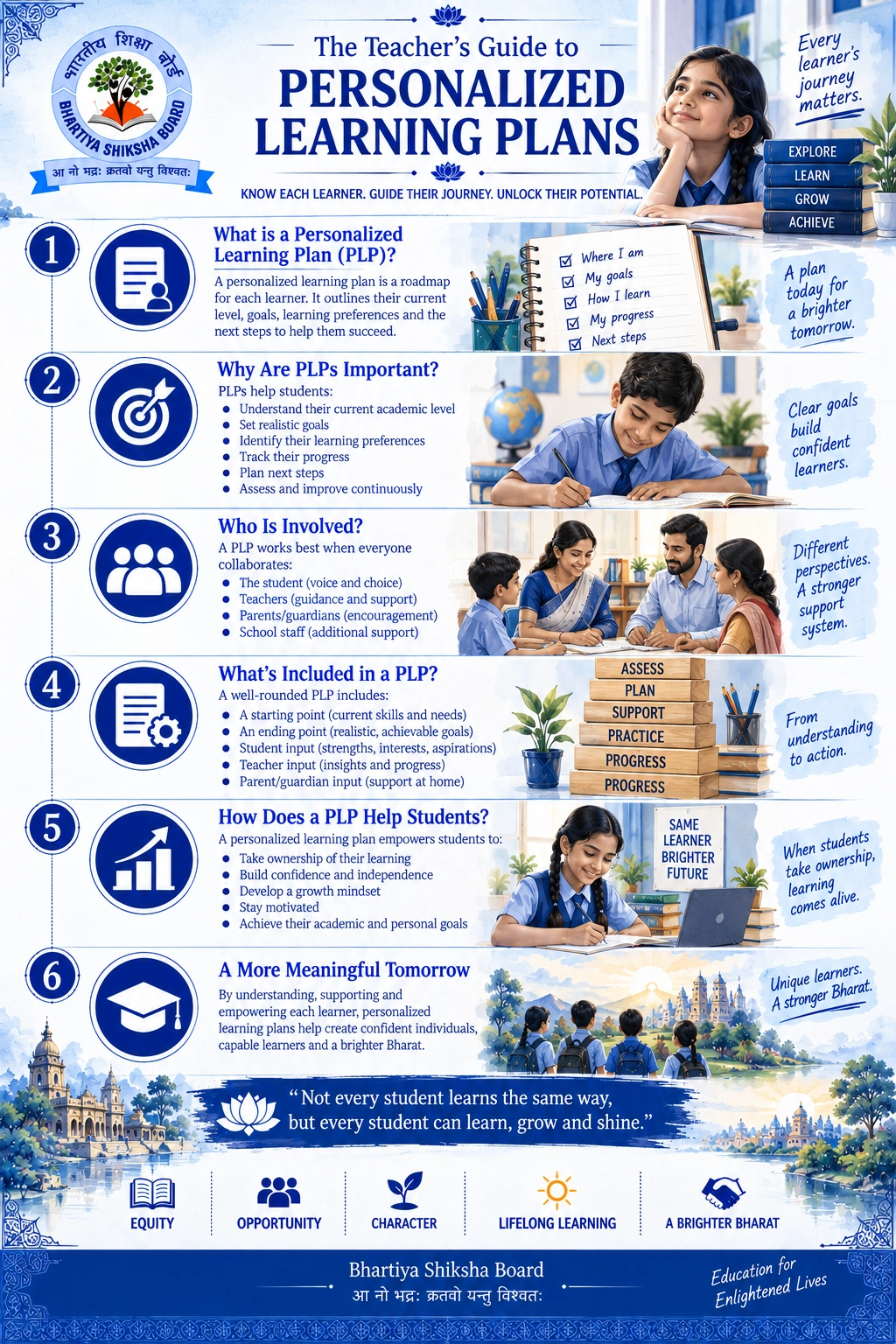
A personalized learning plan can help students:
- Identify where they currently stand academically
- Set realistic goals for the future
- Identify their learning preferences
- Learn how to track their progress in school
- Plan the next steps they should take to achieve their academic goals
- Assess their progress and repeat the process
Schools may have their own requirements for the documentation or structure of personalized learning plans. Teachers should follow the applicable academic guidelines and requirements while developing such plans.
Who Is Involved in the Creation of a Personalized Learning Plan?
Multiple individuals can be involved in the creation and implementation of a personalized learning plan. While teachers, parents, and school staff have important roles, an effective PLP should also involve the student as a key player in the conversation.
Consider this group to be the vehicle that drives personalized learning. Could a tire come off? Yes, but there are repair shops that can be visited along the way. Thus, all members need to be willing to revisit the plan when unexpected issues arise.
Ultimately, the vehicle uses multiple systems to take the riders to their destination. That, too, is the goal of all the individuals involved in a PLP. The student, teachers, and family work together to ensure the student reaches their destination.

What’s Included in a Personalized Learning Plan?
A Starting Point
Students come with varying skills and aptitudes, as well as areas for improvement. Knowledge of learners is key to designing a successful plan. Consider multiple sources of information, including assessments, project-based learning activities, progress in learning, and self-assessments to determine their starting point.
An Ending Point
In turn, the information collected about a student can help determine the end goal for the learning plan. Consider where the student is now in relation to where they’d like to end up academically. Reasonable end goals should be attainable and align with the relevant learning objectives and academic requirements.
Student Input
Students need to be involved in the creation and implementation of their personalized learning plan. Consider how the student sees themselves in the following areas:
Strengths: What does the student say that they do well?
Areas of improvement: What does the student say they need to improve on?
Learning preferences: How does the student like to learn? What sort of material captures their attention and sparks their curiosity?
Student interests: What does the student like to do? Read about? Spend their time on?
Goals: What does the future look like for the student in their eyes?
Teacher Input
Educators have key insights that can help implement and refine a PLP. A few areas to consider that might benefit from educator insight include:
Strengths: What areas does the teacher see as relative strengths? When and how is the student excelling?
Areas of progress: What areas does the teacher see as a possible area of focus? When and how is the student struggling?
Reflection on progress: How quickly has the student progressed? Why? What is or isn’t working in terms of instruction?
Parent/Guardian Input
Parents and guardians see their child in a different environment than teachers and other school staff do. Therefore, their feedback can be valuable. Consider the parent’s or guardian’s perspective on:
Areas of student strength and improvement: What does the parent or guardian see their child doing well? Where does the child need additional support? What does the child seem to like or dislike at school?
How they actively partner in learning: Consider how parents or guardians can support the PLP. The partnership involved in a personalized learning plan can extend beyond the classroom and actively involve the student and the home.
Action Steps for a Personalized Learning Plan
All members involved in the development of a personalized learning plan need to have a clear sense of where they’re headed and what needs to be done. The action steps should detail what needs to happen and by when, how progress will be communicated, and what comes next.
For example, suppose a secondary school student is interested in studying computer science in the future. A student action step might include choosing a programming language that interests them and beginning to study suitable learning materials within an agreed time frame.
The necessary steps for an educator might include compiling a list of suitable books, learning materials, and online resources on programming concepts and projects. The teacher could also identify appropriate opportunities for the student to develop relevant skills.
A parent or guardian’s action steps might include helping the student practise logic and problem-solving skills regularly using suitable learning activities and resources.
Finally, the student, teacher, and parent or guardian can revisit the student’s progress and goals on an agreed date. Based on the progress made, new action steps can then be created for the next stage of learning.

Personalized Learning Can Be Powerful
Personalized learning plans can be a useful educational tool that, when used appropriately, can help students learn, grow, and work towards their goals.
Helping each student learn, grow, and succeed is an important goal of education. When students, families, and educators contribute to the learning process, personalized learning can become a collaborative effort focused on the individual learner.
Frequently Asked Questions (FAQs)
1. What is personalized learning?
Personalized learning involves tailoring learning to each student’s strengths, needs, and interests, including giving students a voice and choice in how they learn.
2. What is a personalized learning plan (PLP)?
A personalized learning plan is formal documentation completed for a learner. It helps map out the concrete steps involved in the personalized learning of an individual student.
3. How can a personalized learning plan help students?
A PLP can help students identify where they currently stand academically, set realistic goals, identify their learning preferences, track their progress, and plan the next steps towards their academic goals.
4. Who is involved in creating a personalized learning plan?
Students, teachers, parents or guardians, and school staff can all be involved. The student should also be a key participant in the creation and implementation of the plan.
5. What should be included in a personalized learning plan?
A personalized learning plan can include the student’s starting point, goals, strengths, areas for improvement, learning preferences, interests, and input from the student, teacher, and parent or guardian.
6. Why is student input important in a personalized learning plan?
Student input helps identify how students see their strengths, areas for improvement, learning preferences, interests, and future goals. It also allows them to participate in their own learning process.
7. What is the teacher’s role in a personalized learning plan?
Teachers can provide insights into a student’s strengths, areas of progress, challenges, and overall learning progress. They can also help identify what is or isn’t working in terms of instruction.