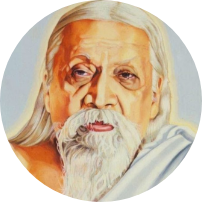
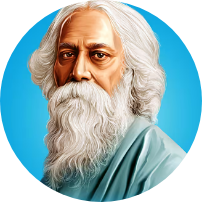
The Educational Philosophy of Bhartiya Shiksha Board is the synthesis of the ancient and the modern in Education. It originates from the everlasting and eternal wisdom of Indian Thinkers and Philosophers. While on one hand, it is the expression of India’s national consciousness, culture, traditions and values, on the other hand, it embodies the aspirational goals of 21st century skills desired to be inculcated in a global citizen.
Bhartiya Shiksha Board’s philosophy envisages an inclusive and equitable quality education to one and all, irrespective of social and economic status. It has a strong commitment to Sustainable Development Goals (SDGs) and constitutional values.
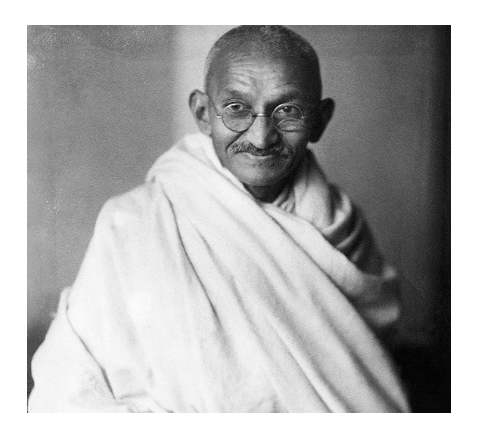
Gandhi’s assertion about education is all the more important in the context of the Indian
situation. He stated, “By education, I mean an all-round drawing out of the best in the child
and man-body, mind and spirit.”
Gandhi ji philosophy of education envisages the ‘Holistic Development’ of the child, including
physical, intellectual, and moral aspects, a practical and craft-centred approach that
prioritises self-reliance and service to the nation.
It is very significant to note that the report of the International Commission on the
Development of Education – 1971, entitled ‘Learning to be’, echoes the same thoughts as have
been articulated by our great sages and educational thinkers. It states, “Educational systems
are the highest expression of each people’s national consciousness, culture and traditions.”
According To This Report, The Education System Of A Country Should Be Based On The Following Four Pillars:
The Educational philosophy of the Bhartiya Shiksha Board is the outcome of the cumulative wisdom of our Educational Thinkers and sages. The key aspects of Bhartiya Shiksha Board’s educational philosophy are: